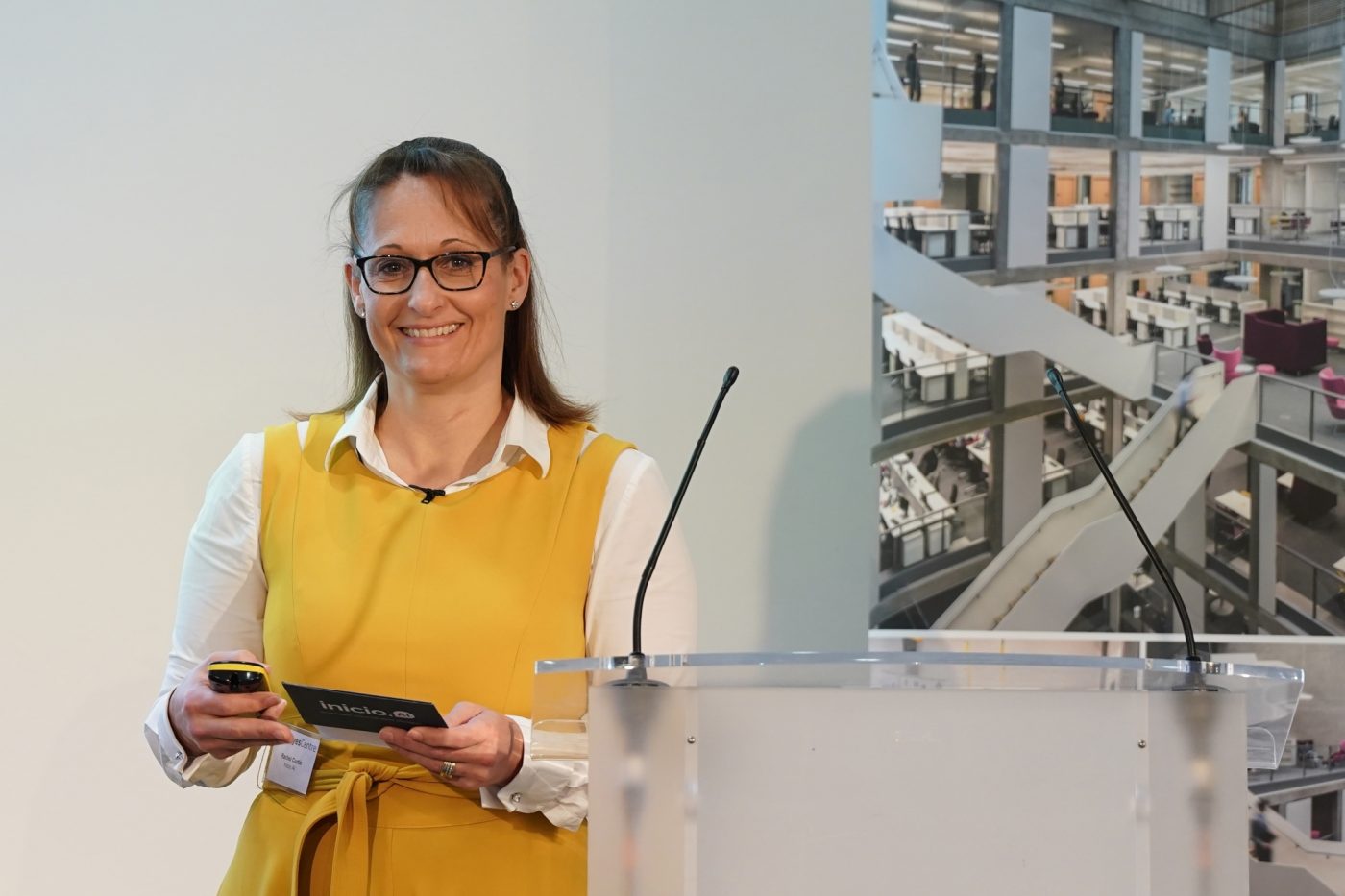
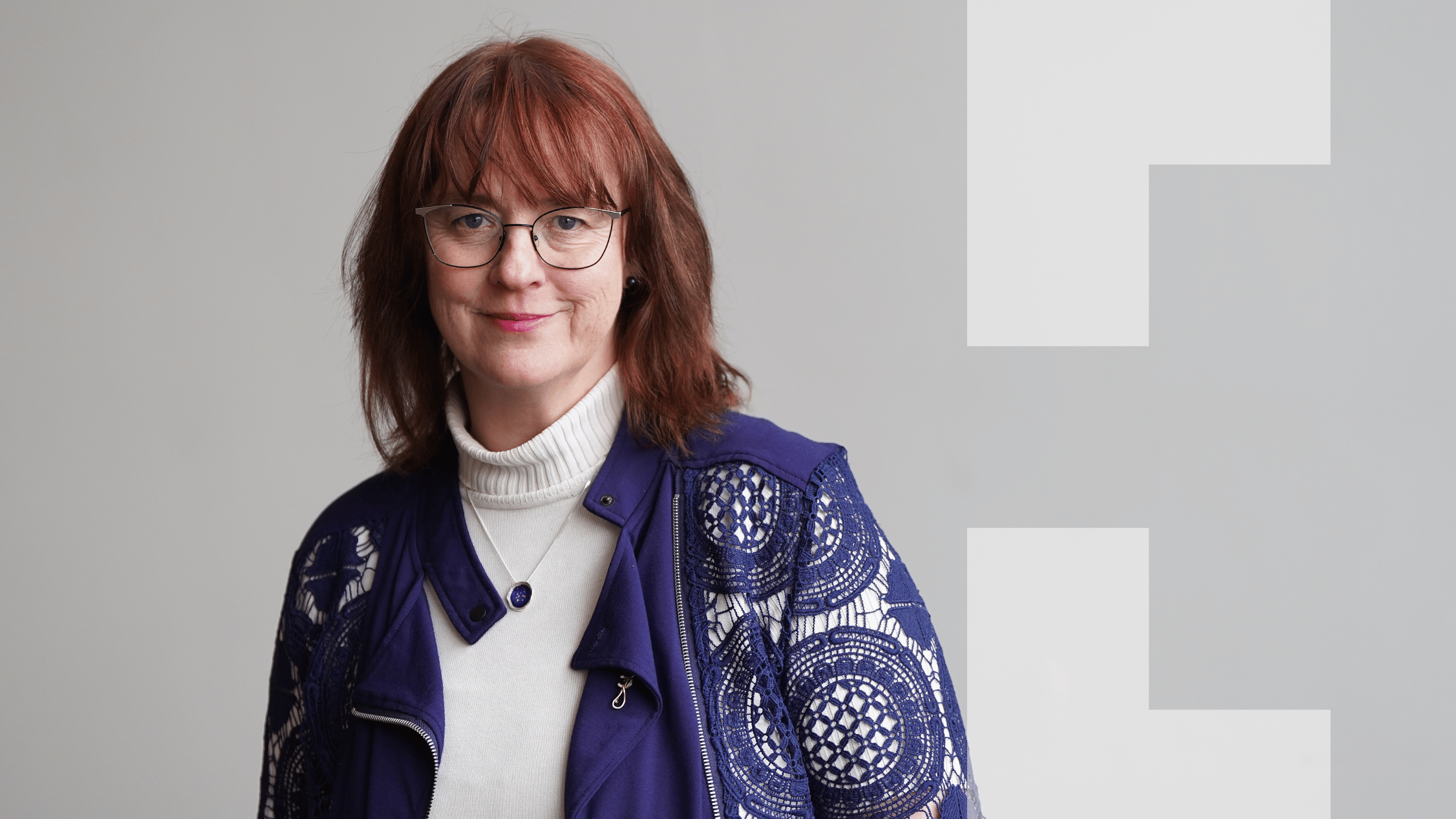
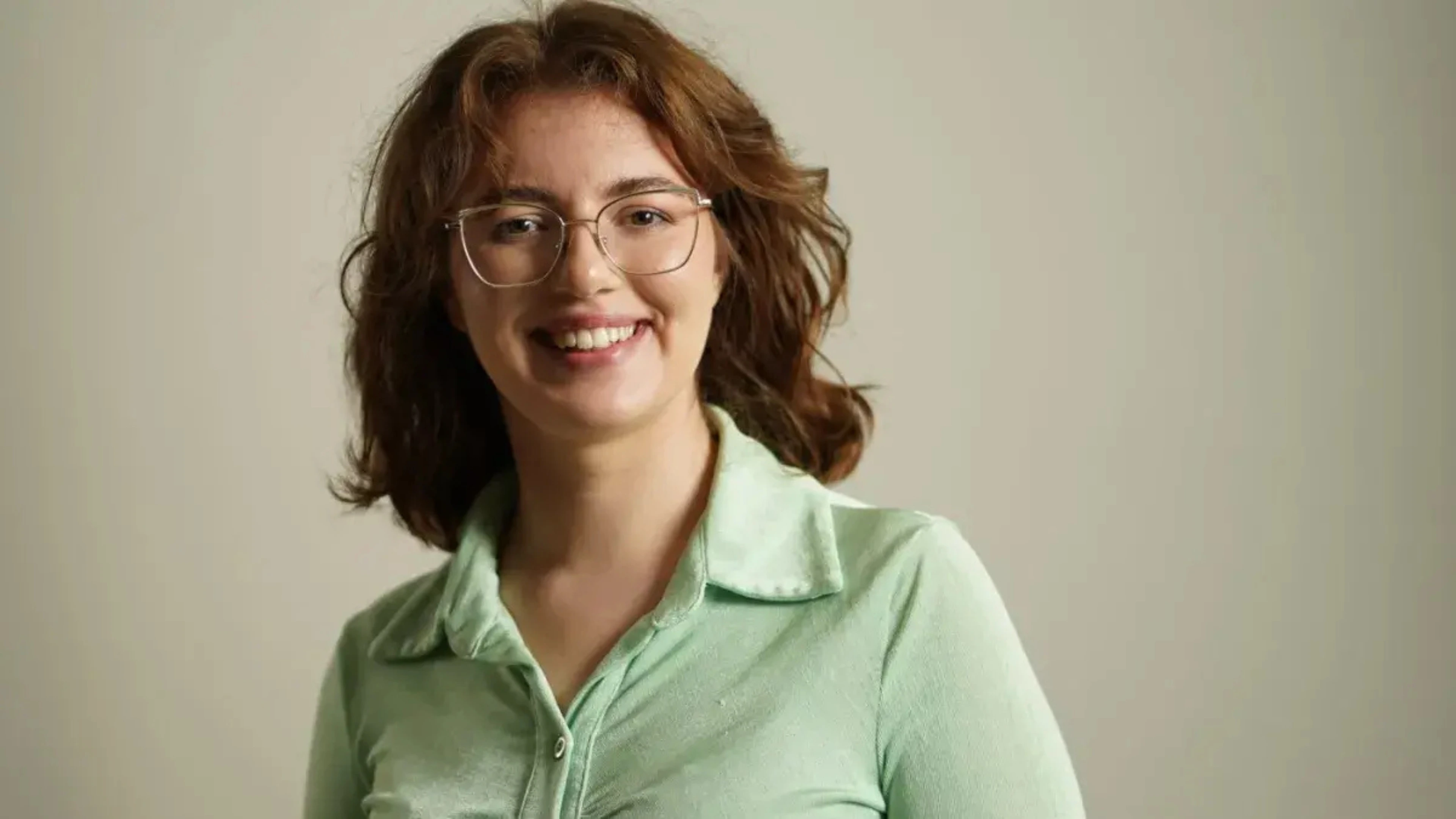
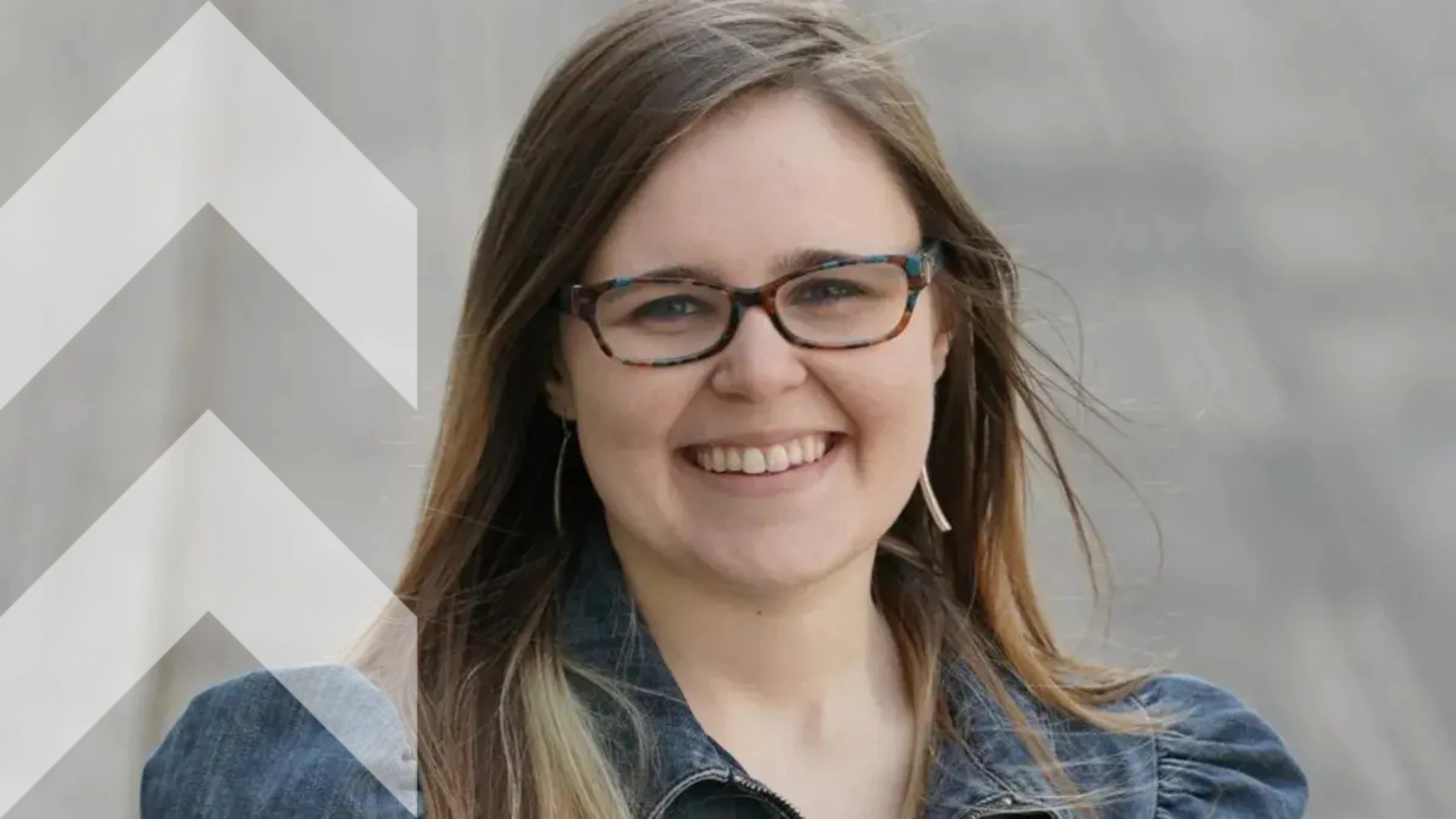
We spoke with Daria Melashenko, a DDI Fellow, about her journey in creating "eR ADHD," an engaging and accessible tool for building emotion regulation skills in young people with ADHD, and her experience in the DDI Fellows programme.

Data Driven Innovation Fellows
DDI Fellows 2025
.webp)

The Data Driven Innovation (DDI) Fellows Programme supports academic and professional services staff at the University of Edinburgh to explore and develop spin-out or startup ventures.
For Daria Melashenko, the path into mental health research was not a straightforward one.
Originally planning to become a lawyer, she found herself increasingly drawn towards psychology and understanding how people think, feel and process the world around them.
After completing a law degree, Daria undertook a MSc in Psychology of Mental Health at the University of Edinburgh before embarking on a research career within the university itself. Her research gradually narrowed towards neurodiversity and ADHD in young people, work which would eventually form the foundations of eR ADHD, an app designed to help young people with ADHD better manage emotional regulation through evidence-based techniques and accessible support tools.
The app teaches emotional regulation strategies through short, accessible modules. Some are designed to help users in moments of acute stress or overwhelm through grounding exercises, breathing techniques and progressive muscle relaxation. Others focus on longer-term emotional regulation skills, helping young people challenge negative thought patterns, develop acceptance and better understand their emotions.
Identifying that there was a great need for the app and how to go about developing it was not Daria’s challenge. Translating academic research into a commercially viable product with real-world impact, on the other hand, was daunting. That was until she joined the Data-Driven Innovation Fellows Programme (DDIFP).
Delivered by the Bayes Centre and Edinburgh Futures Institute at the University of Edinburgh, the programme supports transforming innovative, data-driven ideas into real-world ventures through expert guidance, funding opportunities and commercialisation support.
“Research is very different conceptually from commerce and industry,” she explains. “That became very obvious while I was engaging with the programme because the rules that exist in industry are so different.”
The DDIFP helped bridge that gap. Through sessions focused on storytelling, branding, intellectual property, fundraising and marketing, Daria began to build an understanding of what was needed to commercialise the tech.
“It really helped to get the initial understanding of how industry works and what is needed to make sure that when we launch a company, it can be successful.”
For Daria, one of the most valuable parts of the experience was the people she met along the way.
The programme connected participants with founders who had already built successful ventures, helping reinforce that commercialisation was possible, even if the process was rarely straightforward.
“It helped reaffirm that this is possible,” she says. “Not everything needs to be perfect from the very beginning. It’s trial and error.”
The support also extended far beyond formal sessions. Daria describes the programme leaders as genuinely invested in the projects and the people behind them, often making introductions through their own personal networks. One connection led to collaboration with a neurodiversity charity, while another introduced her to a founder developing products for neurodivergent people.
“It was very nice to learn from his experience and for him to learn from my experience as well.”
That sense of collaboration became a defining part of the experience. At the same time, the programme also pushed Daria outside of her comfort zone.
One of the biggest adjustments was moving from the culture of academia into the world of entrepreneurship.
“Academia promotes being humble and doubting yourself,” she says. “Industry requires more confidence and selling your ideas.”
The programme also enabled Daria to attend an NHS conference in Chester, where she met clinicians working directly within the field. Those conversations reinforced both the demand for the app and its potential practical impact.
“They all said that this is much needed and they were very excited,” she says.
Alongside the commercial learning, the project continued to progress. The team finalised the first prototype of the app, supported largely through funding from the Medical Research Council.
The need for that support became increasingly clear through both Daria’s research and her own personal experiences.
“The vast majority of my friends are neurodivergent,” she explains. “When I discussed the idea of developing the app and commercialising it, they all said that when they were younger, something like this could have helped them a lot.”
Young people with ADHD often face years-long waiting lists simply to receive assessments or support. In some cases, those waiting times can stretch beyond 200 weeks.
Daria also recognised parts of herself in the work.
“When I was young, I also struggled with emotion regulation,” she says. “While I was creating the app and developing the modules, I think it actually helped my own emotional regulation as well.”
The app itself was initially conceived by Professor Aja Murray, who leads the research group Daria works within. Together, the team set out to address a significant gap in support available to young people with ADHD, particularly around emotional regulation. Crucially, the project was developed directly alongside young people with lived experience.
“Every single one of them said that this is something that is really needed,” Daria says. “They kept asking when the app was going to be released because they wanted to use it.”
While ADHD is often associated with attention and concentration difficulties, emotional dysregulation can also have a major impact on daily life and is frequently linked to anxiety, depression, substance misuse and eating disorders.
“We wanted to create an app that was heavily rooted in evidence,” Daria explains. “We also wanted to make sure that it was co-created with young people and clinicians and suited to the neurodevelopmental profile of young people with ADHD.”
The discussions Daria started with her peers at the NHS conference in Chester have led to active conversations around establishing a research site to support future testing of the app.
The team hopes the app can provide meaningful support both for young people waiting to access services and for those already receiving treatment, helping address areas that medication alone may not fully resolve.
For Daria, however, the long-term goal has remained consistent throughout.
“I just really wanted to do something that would be genuinely helpful and meaningful for other people,” Daria says.
Daria is currently looking for adolescents with ADHD (or those on a waiting list for assessment) to be among the first to try the new app. Parents or guardians of interested young people can find out more and register their interest by emailing ppls.adhdstudy@ed.ac.uk.

.webp)
.webp)
.jpg)
.webp)
.png)
.webp)
.webp)

.webp)
.webp)
%2520and%2520UofE%2520Business%2520School.webp)
%2520and%2520the%2520Usher%2520Institute%2520(1).webp)
.webp)
Bayes Centre, 47 Potterrow, Edinburgh, EH8 9BT